

I ran into the Cedar Springs Mental Institute smiling; Dad finally let me see Mom. He trailed behind me, past the barbed-wire fence, through the front doors and to the visitation section along with dozens of addicts cooped together.
Mom was packed in there.
I hugged her as hard as I could, refusing to let go; refusing to let her fall to her addiction. Her droopy face and dilated eyes ripped me from that dream.
Mom was still high.
Profit-driven corporations pumped drugs into Mom until she popped, even in rehab. Loosely-regulated rehabilitation butchered Mom, Mary Loveless-Day, and thousands of others leaving them broke and unchanged.
EDITOR’S NOTE: This is Part 4 of a series exploring the early wave of the opioid epidemic from Logan Day’s perspective watching his mother’s battle with addictive painkillers.
Drug rehab centers need tighter federal regulation to save vulnerable patients from lack-luster treatment.
Behind bars and pills
To avoid legal consequence, Mom called her opioid overdose an attempted suicide, consequently digging herself in a deeper hole by refusing it was accidental, thus failing to receive proper treatment.
Instead, doctors sent Mom to a concrete cell in the El Paso County, Colorado, jail to detox before she’d ever see a rehab center. While Mom should have received treatment for opioid use disorder, she writhed in pain while withdrawing behind bars.
She called Dad to tell him how much she hated him, then call back and beg for forgiveness. Withdrawals tore her apart, but Dad held himself together, answering every call – hoping to hear the Mary he fell in love with.
When addicts are imprisoned rather than treated, the addiction cycle keeps spinning.
A 2007 study from the New English Journal of Medicine revealed that incarcerated people are 129 times more likely to die of overdose within two weeks of release. When victims of substance abuse disorder are unexpectedly incarcerated – including those on medically assisted treatments for opioid addiction– their tolerance drops, turning their once-typical dose of rehab medication potentially deadly.
A patient’s odds of overdose drops by 52% when medically assisted treatment continues in jail according to the National Institutes of Health.
The issue is: local jails stigmatize medication for opioid use disorder, and often refuse to administer doses to incarcerated patients despite the Center for Disease Control and Prevention proving medicated treatment is the most effective approach to opioid use disorder, decreasing both relapse and deaths rates by 60%.
Montgomery County police departments add to that trend.
Montgomery is ranked the third highest Texas county in overdose deaths, according to data from Texas Health and Human Services. Out of 2,170 prescription-drug-related arrests from 2012-2016, 27% were imprisoned and 51.1% were dismissed, according to joint research from the Montgomery County District Attorney Office and Sam Houston State University. Only 11.1% earned eligibility for medically assisted treatment during incarceration.
Withholding incarcerated treatment leaves victims of the opioid crisis like Mom to writhe in pain, further from rehabilitation and closer to their death.
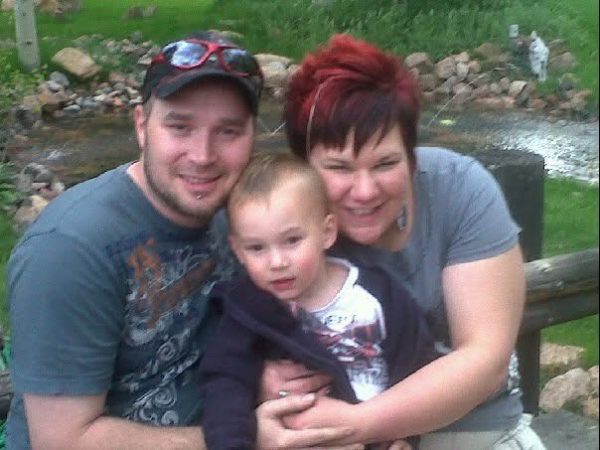
Cedar Springs Mental (deterioration) Institute
Mom finally got “treatment” after a week in jail, when doctors relocated her to the Cedar Springs Mental Institute.
For me, that meant I could see Mom again. For Mom, that meant her doom.
Because Doctors institutionalized Mom for her “attempted-suicide,” workers also refused to administer the methadone or buprenorphine she needed to fight her addiction. But while they refused medication for opioid use disorder, they happily swapped her Xanax addiction with Klonopins – just enough for her to stay high.
This enraged Dad. Each visit became a shouting match between him and the staff. He wanted her sober, but they wanted their check. While he shouted, I would color pages with drug-fueled Mom.
Poorly conditioned treatment continued Mom’s addiction.
A facility only needs one licensed counselor to be a licensed rehab center, with no federal guideline on the type of treatment licensed centers should provide. This allows facilities to turn a patient’s

rehabilitation into a useless vacation, without long-lasting benefits. Studies from the National Library of Medicine show that opioid-use disorder victims may suffer for 10 to 20 years in and out of relapse because unqualified caretakers fail to provide long-lasting treatment.
Less than one third of facilities offer medically assisted treatment according National Public Radio reports. Facilities can only dispense medication for opioid use disorder if they’re part of the federally run Opioid Treatment Program. However, centers often opt out of the program, considering the need for a licensed physician and cost to purchase treatment drugs.
Price is a weak excuse though. Comparative studies published to Pubmed found that methadone treatment only cost centers $84 to $133 a patient per month. Current regulations treat medication for opioid use disorder as an optional treatment, when it should be the only option. Every facility should require a licensed physician.
Texas legislators made steps toward stricter regulations in 2023, passing House Bill 299, that prohibits a recovery home from earning state money unless it passes a state accreditation process. The bill went into effect September, but with almost 700 recovery homes, Texas lacks enough inspectors to enforce HB 299, according to the Texas Tribune.
The Texas Health and Human Services Commission reports that only 81 accredited facilities are high-intensity homes equipped for opioid-use disorder. The other 326 are low-intensity resident-run homes proven to be less effective and, at times, further harm opioid-use disorder patients.
Texans can save patients like Mom if enforcement improves.

Two sides, same coin
Visiting Mom, even high, was a treat. We communicated through coloring pages and crafts. Most of her gifts were made during rehab treatment. They were, and are still, precious to me.
Other children visited with their moms too. Mine was the only one still stuttering and spacey, but Dad and I refused to give up. Where we stood our ground, rehab centers long left her to rot.
That’s because poorly regulated rehab centers turn admission from medical to a business decision.
For adults over 18, only they have a say in how or what treatment is administered in their own rehab home; the same adult that is already mentally unstable. Once admitted, families lose influence over their loved ones’ care; rehab centers have authority to ignore outside complaints – patients are what fill their pockets after all.
A multi-year investigative study published on Health Affairs revealed that roughly 74% of centers required up-front payments averaging $17,000, including unlicensed “sober homes” which run on non-evidence-based treatment such as spiritualism. Centers for Health Journalism reporters in California found that roughly 190 patients since 2010 have died under rehab care. There has yet to be any research on Texas centers.
Mom’s treatment was unequipped and harmful, but once she was under their care we had no take-backs.
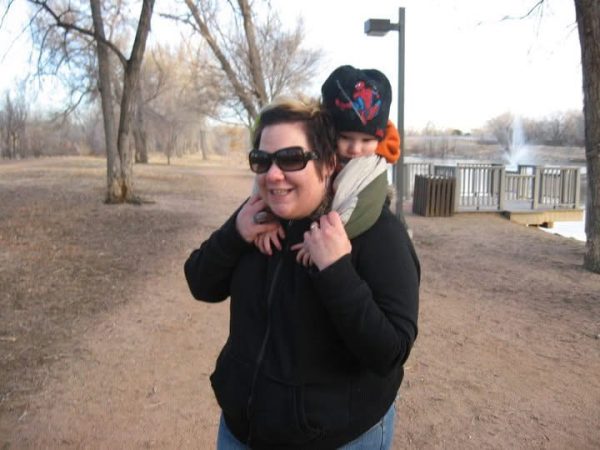
Reunite
When medical-related businesses are given too much unmonitored trust, greed takes over and families like mine are ripped apart.
Former President Joe Biden’s administration removed required training for doctors to prescribe medically-assisted treatment, which would expand potential treatment output. However, if rehabilitation centers fail to receive closer monitoring, treatment stays out of reach.
While Texas enrolled HB 299, enforcement is already proven to be weak and there remains a lack of national guidelines to ensure proper treatment in all states.
The Substance Abuse and Mental Health Services Administration set standards and fund rehab facilities, but do not license, inspect nor penalize any centers. SAMHSA should require and enforce proper evidence-based treatment nationally. Preventing relapse is key in battling the opioid epidemic, ignoring rehab quality the same as leaving addicts to die.
Physically dependent addicts need support to overcome addiction. The rehab system failed patients like Mom.
Because rehab centers neglected Mom, I watched her suffer.
Mary deserved proper treatment.